
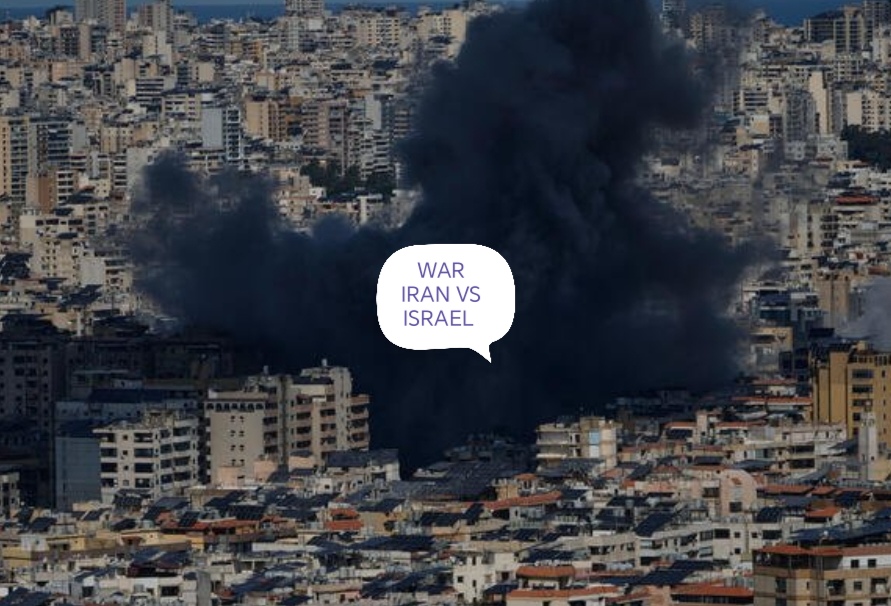
War Iran vs israel
The Iran-Israel war continues, with recent attacks targeting Israel and the Gulf states. Iran has launched drone and missile attacks on Israel, while Israel has retaliated with airstrikes on Iran. This conflict has caused casualties and infrastructure damage on both sides. Some recent developments: - *Iranian attacks on Israel*: Iran launched three missile attacks on Israel on March 9, with most of the missiles intercepted by Israeli defenses. Israeli attacks on Iran Israel launched airstrikes on Tehran, targeting Iranian military facilities and infrastructure. Casualties
More than 1,200 people have been killed in Iran and 486 in Lebanon since the war began.
Economic impact This conflict has led to rising oil prices and disruptions to international trade routes.
The impact of the Iran-Israel conflict on the global economy is significant. This conflict could lead to a spike in oil prices, as Iran is one of the world's major oil producers and the Strait of Hormuz is a key route for global oil exports. This could trigger global inflation, as higher energy prices would increase production and transportation costs. Furthermore, this conflict could disrupt global supply chains, particularly in the logistics and manufacturing sectors. This could lead to higher prices for goods and services, as well as a decrease in consumption and investment. The global economy could also experience financial market volatility, as investors tend to reduce exposure to risky assets and shift to assets perceived as safe, such as gold and government bonds in developed countries. In the long term, this conflict could accelerate the energy transition to more stable and renewable energy sources, as well as increase the diversification of energy sources.
The economic impact of the Iran-Israel war is being felt by several countries, especially those with close economic ties with both countries. Here are some of the affected countries: - *Indonesia*: The Iran-Israel war could reduce Indonesia's economic growth, particularly through a decline in exports in the processed food, oil, textiles, and metal sectors, as well as an increase in imports of light manufactured goods. Rising oil prices could also increase inflation and disrupt economic stability. Middle Eastern countries
This conflict could disrupt global oil supplies, leading to higher oil prices and impacting the economies of countries dependent on oil exports. European countries
The Iran-Israel war could disrupt shipping lanes and increase logistics costs, impacting the economies of European countries dependent on international trade.
United States This conflict could lead to higher oil prices and impact the US economy, particularly if shipping lanes in the Strait of Hormuz are disrupted. Other economic impacts include
Inflation Rising oil prices could increase global inflation.
Financial instability This conflict could lead to financial instability and a decline in global investment. Impact on global supply chains The Iran-Israel war could disrupt global supply chains, particularly in the energy and logistics sectors.